1. Home
  2. About us
  3. Product Groups

Product Groups

Product groups

The limitless applications of technical textiles

HIGHTEX brings together the diverse application areas, innovative production technologies and growing markets of the technical textiles and nonwovens industry. With uses ranging from healthcare to automotive, hygiene products to filtration, and construction to protective textiles, technical textiles offer high-performance, functional and innovative solutions for the needs of different industries. HIGHTEX provides a comprehensive meeting point for professionals who want to explore the production capabilities, technological advances and industry partnerships this broad ecosystem offers.

01 / 14

Construction Textiles

Textile solutions from architectural design to structural safety.

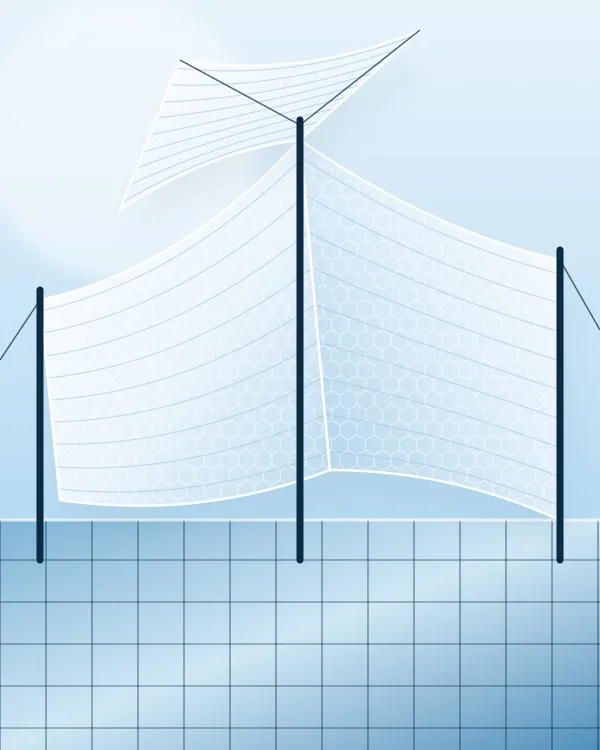
In modern architecture, textile materials shape not only the appearance of buildings but also their durability and performance in use. Used in wide-span roofs, façade systems, stadiums and industrial facilities, membrane technologies combine lightness, flexibility and high strength. Structural reinforcement fabrics, insulation materials and acoustic textiles further broaden the use of technical textiles in construction. Properties such as fire resistance, UV protection and resistance to harsh weather are at the heart of material development in this field.
#MembraneRoofing#MembraneFacade#StretchCeiling#StructuralReinforcementFabrics#AcousticPanels
02 / 14

Geotextiles

The invisible layer of strength beneath infrastructure.

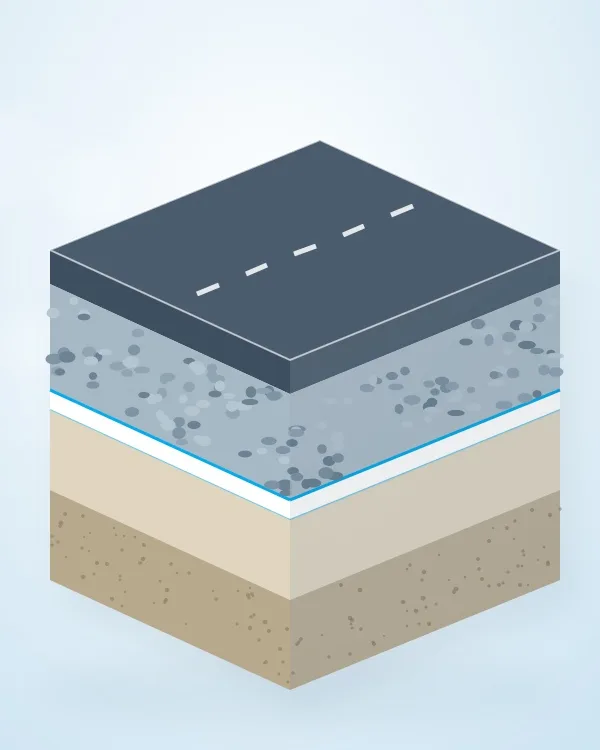
In large-scale infrastructure projects such as roads, railways, ports and dams, controlling ground conditions is critical to the longevity of structures. Geotextiles balance the different layers of soil, performing separation, filtration, drainage, reinforcement and protection functions. Produced with woven, nonwoven and knitted technologies, these materials support soil stability while allowing water to move in a controlled way. Alongside synthetic fibres, new-generation solutions developed with natural and biodegradable materials open the door to sustainable practices in infrastructure engineering.

#GeotextileFelt#DrainageFelt#SoilStabilisation#ErosionControlBlanket#Geogrid
03 / 14

Industrial Textiles

High-performance materials for the demanding conditions of production.

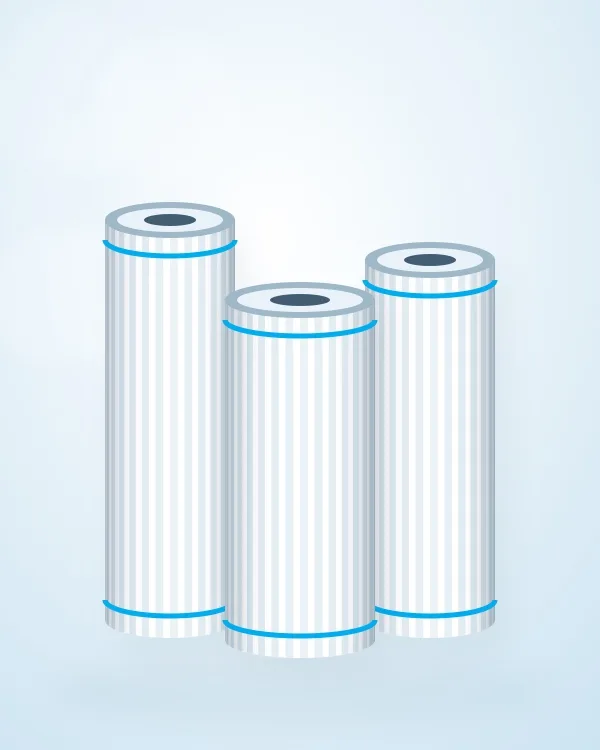
Textile materials used across industry play a direct role in the performance of production lines and industrial equipment. A wide product range — from filtration fabrics to conveyor belts, from transmission belts to industrial felts — withstands heavy operating conditions such as high temperatures, chemical exposure, abrasion and mechanical stress. High-performance fibres such as aramid, glass fibre and carbon fibre, combined with coating and lamination technologies, enable materials tailored to the specific needs of different industries.

#FilterBag#ConveyorBelt#IndustrialFelt#FilterFabric#TransmissionBelts
04 / 14

Cleaning and Cosmetic Textiles

Functional surfaces from personal care to professional cleaning.

Among the indispensable products of daily life, cleaning and cosmetic textiles are evolving into new user experiences with advancing nonwoven technologies. Wet wipes, microfibre cleaning cloths, make-up removal pads, cosmetic face masks and disposable care products are developed around softness, absorbency, skin compatibility and ease of use. Production technologies such as spunlace and spunbond deliver surfaces suited to different needs, while biodegradable fibres and recycled raw materials increasingly feature in product development.

#WetWipes#MicrofibreCleaningCloth#MakeupRemoverPad#CosmeticFaceMask#CleaningRoll
05 / 14

Transportation Textiles

From automotive to aviation, technologies that combine safety and comfort.

Textiles used in vehicles go beyond passenger comfort to meet fundamental requirements such as safety, durability and energy efficiency. Many components, from car seats and seat belts to airbags and sound and vibration insulation, are developed with technical textile technologies. In aviation, rail and marine applications, lightness, fire safety and high mechanical strength stand out. Composite textiles and high-tenacity fibres in particular contribute to reducing vehicle weight and improving performance.

#CarSeatFabric#SeatBelt#AirbagFabric#VehicleHeadliner#TyreCord
06 / 14

Sports Textiles

Advanced textile technologies that support the performance movement demands.

As the limits of performance in sport advance, the properties expected from textile materials keep diversifying. Used widely in professional sportswear, footwear components, protective equipment and camping and outdoor products, technical textiles stand out with moisture management, quick drying, breathability and thermal regulation. Seamless production technologies, stretch performance fabrics and sensor-equipped smart textiles offer new solutions for athletes while expanding the everyday use of sports products.

#SportswearFabrics#SportsShoeLining#AthleteProtectiveGear#CampingTent#SleepingBag
07 / 14

Protective Textiles

High-performance structures that support safety in the toughest working conditions.

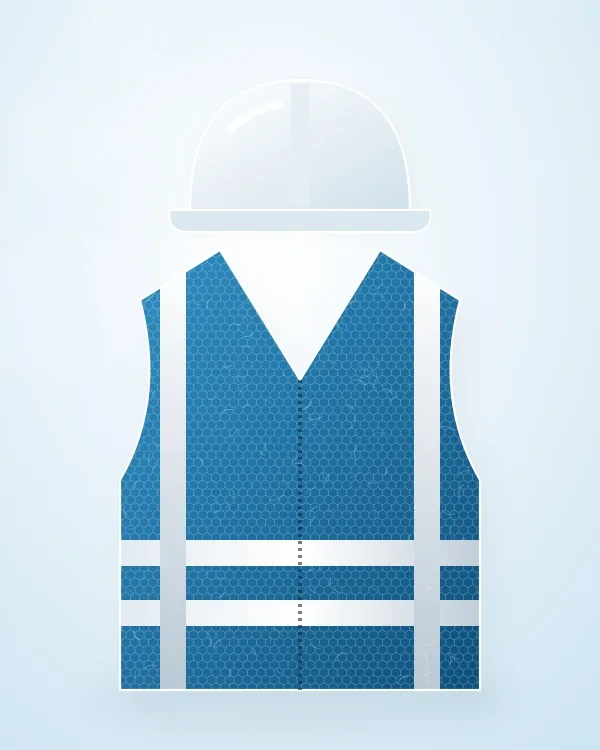
Used in occupational safety, defence, firefighting and industrial production, protective textiles are specially designed against risks that can threaten human life. In this field — spanning flame-retardant garments, chemical protective clothing, ballistic protection and cut-resistant gloves — material performance is vital. High-strength fibres such as aramid and UHMWPE, combined with special coatings and multi-layer textile structures, provide protection against different hazards. Sensor-integrated smart garments pave the way for new-generation applications that can monitor the wearer's surroundings and safety.

#FirefighterSuit#BallisticVest#CutResistantGlove#ChemicalProtectiveSuit#HeatResistantFabric
08 / 14

Apparel Textiles

From traditional fabrics to functional and smart clothing solutions.

Thanks to technical textile technologies, the apparel industry is moving beyond aesthetics- and design-led production towards performance-driven products. Waterproof and breathable fabrics, windproof surfaces, thermoregulating structures and antibacterial textiles stand out especially in sportswear, outdoor products and special-purpose garments. Membrane, lamination and coating technologies give fabrics new functions, while functional yarns and smart textiles are among the developments shaping the future of clothing. Garments equipped with sensors that can interact with the wearer create a new field of production where textiles and technology meet.

#WaterproofFabric#BreathableMembrane#WindproofFabric#ThermalUnderwear#LaminatedFabric
09 / 14

Decoration Textiles

Where aesthetics, comfort and technical performance meet in living spaces.

In interior and exterior design, textile materials define not only visual harmony but also the functionality of a space. Upholstery fabrics, curtains, carpets, wall coverings, sun-shading systems and acoustic panels are developed for the needs of different settings. In textiles chosen for hotels, hospitals, offices and public buildings, stain resistance, easy cleaning, abrasion resistance and flame retardancy are increasingly important. Functional coatings, digital printing and advanced finishing technologies give decoration textiles new possibilities in both design and performance.

#UpholsteryFabric#BlackoutCurtain#RollerBlind#OutdoorFabric#AwningFabric
10 / 14

Food Textiles

Hygiene- and safety-focused textile applications, from food production to filtration.

In the food industry, every stage of production, processing and packaging requires materials that meet hygiene and safety standards. Filtration fabrics, liquid straining cloths, tea and coffee filters, food processing belts and textile-based packaging make up a large part of the applications in this field. Developed to withstand high temperatures, humidity and intensive cleaning, these products are defined by permeability, filtration precision and ease of cleaning. Food-contact-safe materials and production technologies play a key role in the development of food textiles.

#TeaFilter#CoffeeFilter#MilkFilterCloth#FoodFilterBag#FoodConveyorBelt
11 / 14

Medical and Hygiene Textiles

Precise, functional solutions from healthcare to personal hygiene.

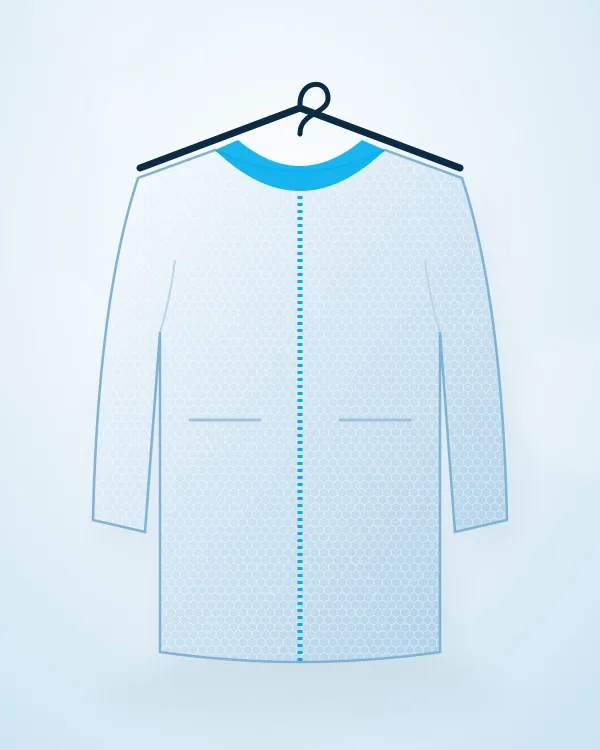
Textile materials used in healthcare carry high performance and safety requirements because they relate directly to human life. A wide product group — from surgical gowns, drapes, masks, wound dressings and bandages to baby diapers, sanitary pads and adult care products — is produced with advanced textile and nonwoven technologies. Surfaces made by spunbond, meltblown and spunlace processes meet different needs such as filtration, liquid absorbency, barrier protection and skin compatibility. Biocompatible materials, advanced wound care products, biodegradable structures and textiles for tissue engineering are opening new fields of research and production in medical applications.

#SurgicalGown#SurgicalDrape#MedicalMask#WoundDressing#AdultDiaper
12 / 14

Ecological Textiles

Resource efficiency and a circular-economy approach in textile production.

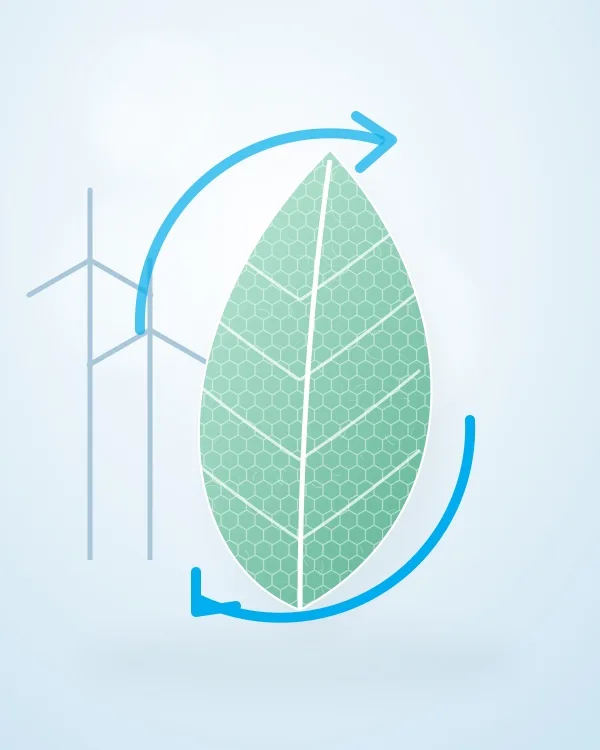
The pursuit of sustainability in textiles is reshaping every process, from raw material selection and production technologies to product lifetime. Recycled fibres, bio-based polymers, materials from natural and renewable sources and biodegradable nonwoven surfaces hold an important place in the development of ecological textiles. Mechanical and chemical recycling, water- and energy-saving production systems and eco-friendly dyeing technologies are among the core components of this transformation. Recovering textile waste and bringing materials back into circular production systems has become one of the key issues defining the industry's future.

#RecycledPolyester#BiodegradableNonwoven#OrganicCottonFabric#BioBasedFibres#RecycledYarn
13 / 14

Packaging Textiles

Durable, lightweight and reusable solutions for storage and logistics.

The growth of global trade and industrial logistics is increasing the need for textile-based packaging that keeps goods safe in transport and storage. Flexible containers known as big bags, industrial sacks, woven polypropylene packaging and mesh bags are used in many sectors, from agriculture and chemicals to construction and mining. Standing out for high load capacity, tear resistance and lightness, these products are designed for different loads and storage conditions. Developed with UV resistance, moisture protection and antistatic properties, packaging textiles also find a place in sustainable logistics through reusable and recyclable alternatives.

#BigBag#FIBCContainer#WovenSack#MeshBag#JumboBag
14 / 14

Agricultural Textiles

Technologies that support productivity and crop protection in agriculture.

Changing climate conditions and the need for productivity are steadily increasing the role of textile technologies in agriculture. Greenhouse covers, shade and insect nets, frost protection covers, mulch fabrics and weed control surfaces are used to regulate growing conditions and protect crops from environmental effects. Developed for light transmission, UV resistance, moisture control and weather resistance, these materials meet different needs in open-field and greenhouse production. Alternatives made from natural fibres and biodegradable materials offer new ways to reduce environmental impact in agricultural applications.

#GreenhouseCover#ShadeNet#InsectNet#HailNet#FrostCover

Images are illustrations representing each product group.

Exhibitor Application Form Visitor Information